A Big Rock at Stonehenge

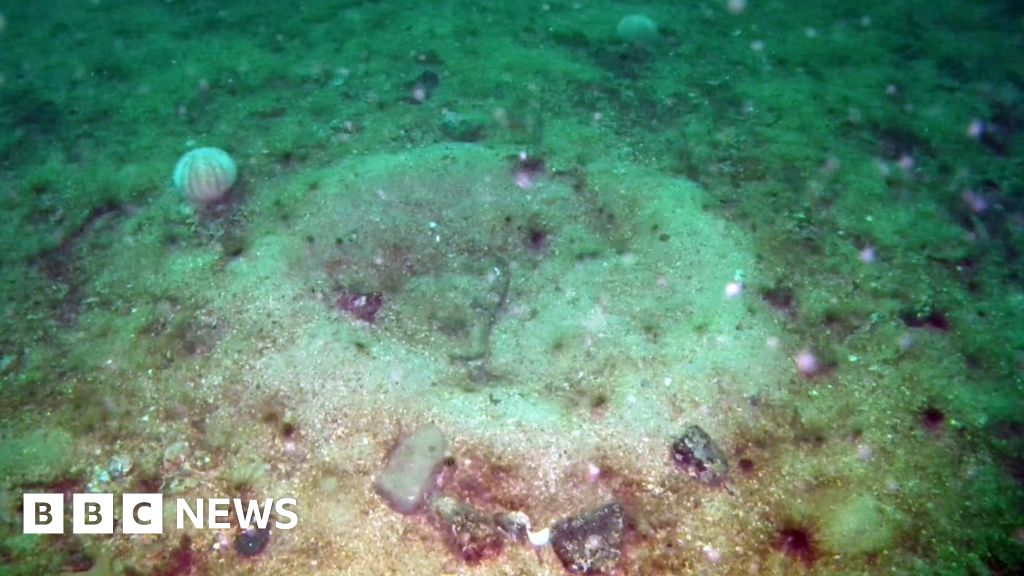
Stonehenge is in England. The altar stone is at Stonehenge. The rock is big. It is 5 meters long. It weighs 6 tonnes. The rock is sandstone. Sandstone has grains of sand. Each grain has a chemical fingerprint. The fingerprint matches rocks in north-east Scotland. Scotland is 750 kilometers away. The rock travels a long way. How does the rock get to Stonehenge? One idea is a glacier. A glacier is a big sheet of ice. It moves rocks. The glacier carries the rock south. It leaves the rock at Dogger Bank. Dogger Bank is now under the sea. The sea covers Dogger Bank. Another idea is humans. Humans are strong. They move other big rocks at Stonehenge. Those rocks are 25 to 30 tonnes. So humans can move the altar stone too. Scientists study the rock. They think the glacier idea is unlikely. The glacier needs many special events. For example, the rock sits at Dogger Bank for a long time. Then humans carry it to Stonehenge. Dogger Bank is under sea now. So the glacier idea is not good. Humans have the tools and the will. They are not in a hurry. They work for many years. So humans probably move the altar stone. Researchers want to find the exact place where the rock comes from. They take more samples. But we may never know why people move the rock. People like special rocks. They choose good stones for their buildings. That is all.
Take a position. Out loud, if you can.
Four ways to start. Pick one and try saying it before you scroll on.
Tip · Record yourself, use in a notebook, or practice with a language partner.
Where is Stonehenge?
Present Simple for Facts
We use the present simple tense to talk about facts and things that are always true. For example: 'The rock is sandstone.'
“The rock is sandstone.”
What to know · A1
Try saying this aloud
Scenario: You see a big rock in a park. You talk about it with a friend.
- 01“This rock is big.”
- 02“It comes from far away.”
- 03“People bring it here.”
Register tip · informal
🎙️ Article Audio — Kokoro TTS
A Big Rock at Stonehenge
Adapted from New Scientist · Read the original. LinguaPress rewrites the facts as original graded-reader text for language learners.


Advertisement