NASA's X-59 Has Flown Supersonic for the First Time
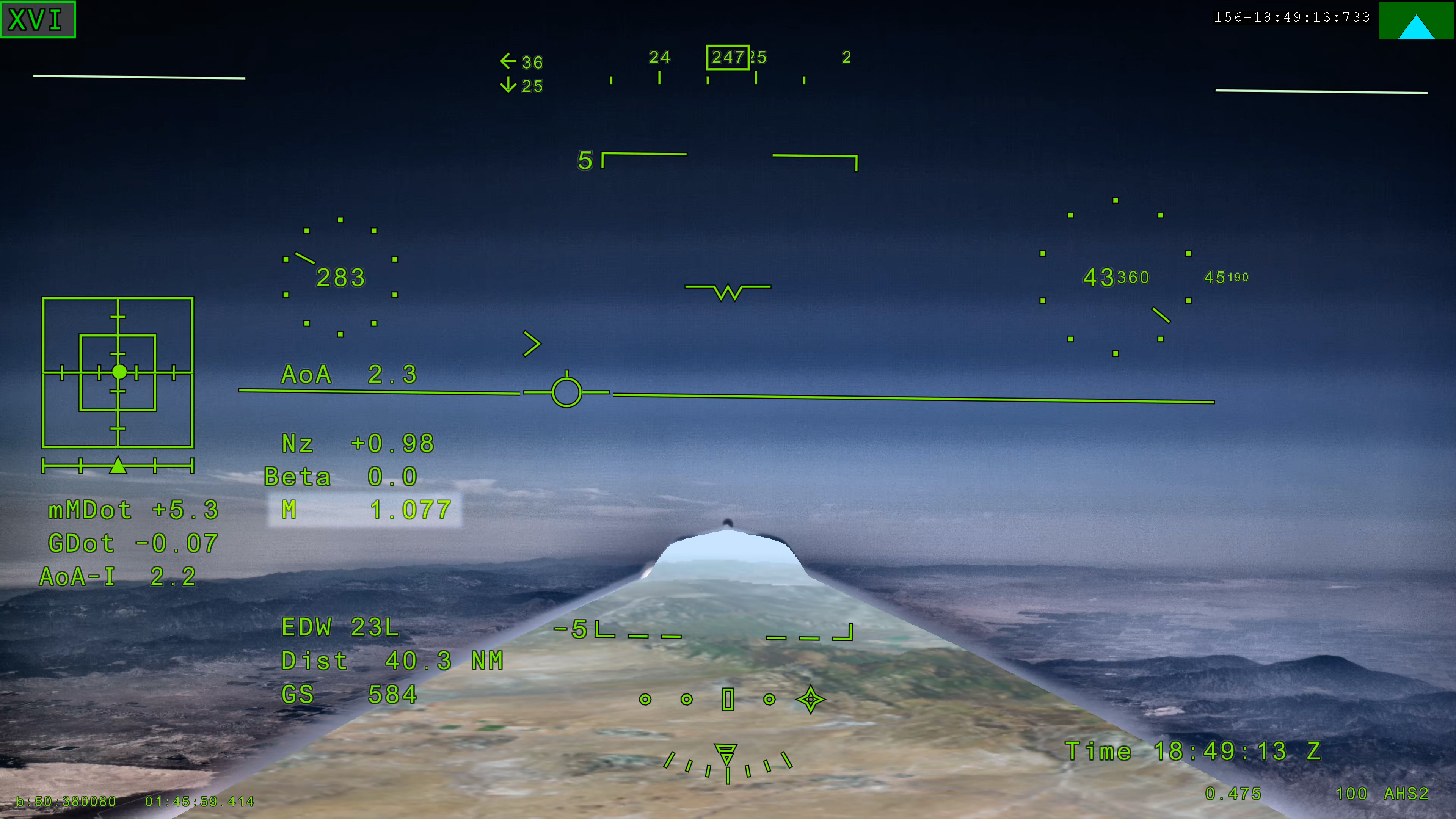
NASA's X-59 aircraft has flown supersonic for the first time. The plane has reached Mach 1.077, which means it has broken the sound barrier. The flight took place on June 5, 2026. NASA has announced the success of this test. The X-59 is a unique test plane. It has been designed to be much quieter than other supersonic aircraft. Normal supersonic planes have created loud sonic booms that disturb people on the ground. The X-59 has been built to produce a quiet thump instead. Engineers have worked on this project for many years. They have developed a special shape for the plane. They have also created the eXternal Vision System. This system has replaced the front window. The pilot uses a high-definition screen to see the sky. NASA has planned to fly the X-59 over several cities. They have asked people to report what they hear. This will help NASA gather data about the noise level. The agency has hoped to change regulations that ban supersonic flight over land. If the X-59 proves quiet enough, supersonic travel over land could become legal. The first supersonic flight has been a major milestone. More flights have been scheduled for later this year. NASA has shared that the plane performed well. The team has celebrated this achievement.
Take a position. Out loud, if you can.
Four ways to start. Pick one and try saying it before you scroll on.
Tip · Record yourself, use in a notebook, or practice with a language partner.
What speed has the X-59 reached?
Present Perfect for Recent Achievements
Present perfect connects a past action to the present. It is used for new achievements.
“NASA's X-59 aircraft has flown supersonic for the first time.”
What to know · B1
Try saying this aloud
Scenario: Talking about a recent scientific breakthrough
- 01“It has broken the sound barrier.”
- 02“They have gathered data.”
- 03“The team has celebrated.”
Register tip · neutral
🔑Key Phrases
Uses present perfect to highlight a recent achievement with relevance now.
The athlete has run a marathon for the first time.
Passive voice with present perfect emphasizes the design purpose.
The car has been designed to be safer.
🎙️ Article Audio — Kokoro TTS
NASA's X-59 Has Flown Supersonic for the First Time
Adapted from NASA · Read the original. LinguaPress rewrites the facts as original graded-reader text for language learners.


Advertisement