NASA: vince il MIT con il progetto Eclipse per il concorso universitario 2026
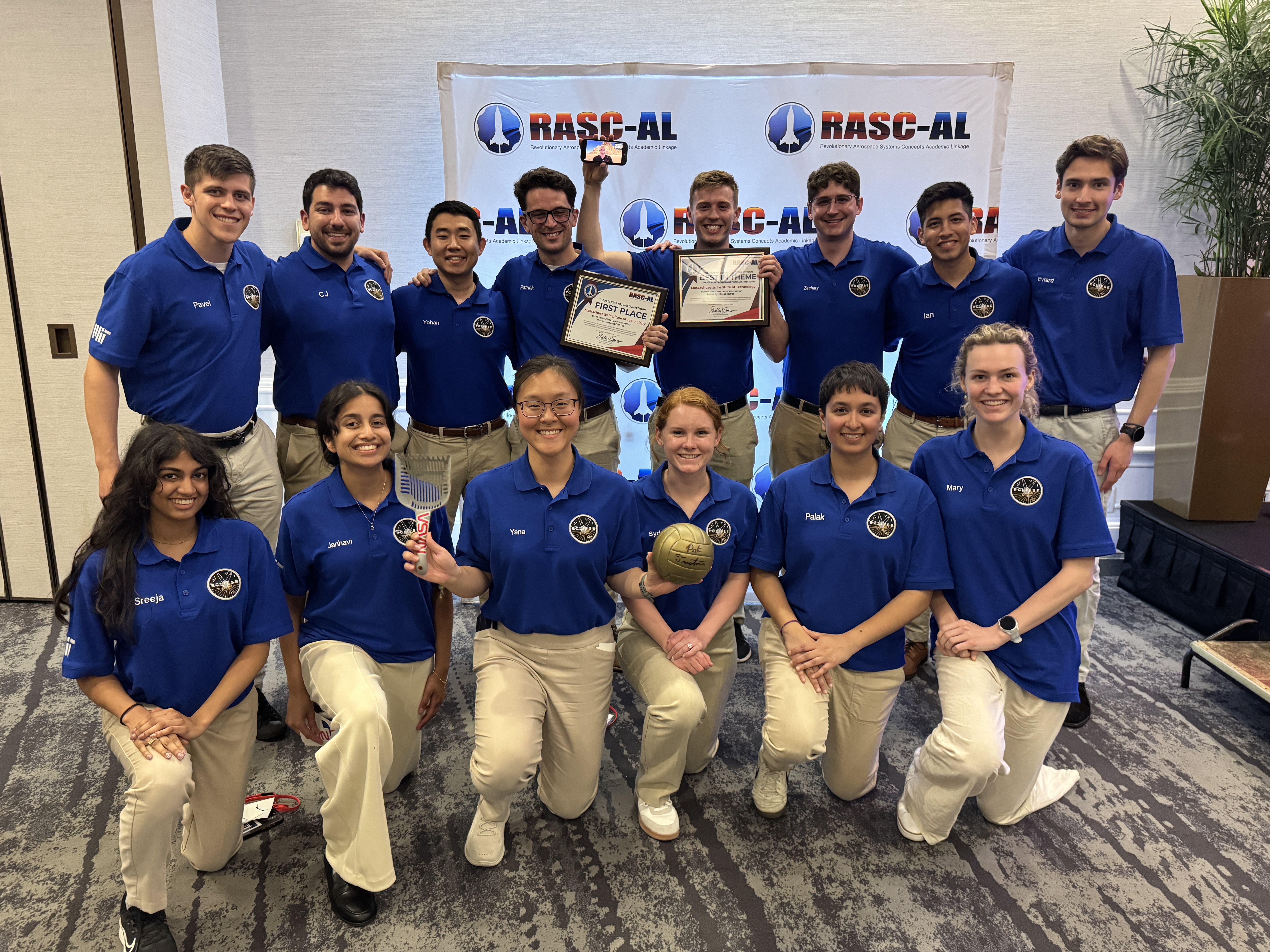
La NASA ha annunciato i vincitori del concorso di innovazione per università del 2026. Il primo premio è stato vinto dal Massachusetts Institute of Technology, il MIT. Il team del MIT ha vinto la competizione RASC-AL, che significa Revolutionary Aerospace Systems Concepts – Academic Linkage. Questo è un concorso molto importante per gli studenti universitari. I team hanno presentato progetti innovativi per missioni spaziali future. Un gruppo di esperti della NASA ha giudicato tutti i progetti. Il MIT ha presentato un progetto chiamato "Eclipse". Il progetto Eclipse è un'idea per una missione spaziale. La NASA ha pubblicato la notizia il 5 giugno 2026 sul suo sito web. Molte università hanno partecipato al concorso. Ogni anno la NASA organizza questa competizione. Gli studenti di tutto il mondo possono partecipare. Il team del MIT ha lavorato molto per vincere. I vincitori hanno ricevuto un premio importante. La NASA ha detto che il progetto Eclipse è eccellente. Gli studenti del MIT sono stati molto orgogliosi di questa vittoria. La competizione RASC-AL esiste da molti anni. Ogni anno ci sono state nuove idee creative. La NASA ha usato alcune di queste idee per le missioni vere. Il futuro dell'esplorazione spaziale è nelle mani degli studenti innovativi.
Take a position. Out loud, if you can.
Four ways to start. Pick one and try saying it before you scroll on.
Tip · Record yourself, use in a notebook, or practice with a language partner.
Quale team ha vinto il primo premio?
Passato prossimo (present perfect tense)
Passato prossimo is used for completed past actions. It is formed with the present tense of 'avere' or 'essere' + past participle. In the article: 'ha annunciato' (has announced), 'ha vinto' (has won), 'hanno presentato' (have presented). 'È stato vinto' uses 'essere' for passive voice.
“La NASA ha annunciato i vincitori del concorso di innovazione per università del 2026.”
What to know · A2
Try saying this aloud
Scenario: You are telling a colleague about the NASA competition winners.
- 01“La NASA ha annunciato...”
- 02“Il team del MIT ha vinto...”
- 03“Hanno presentato il progetto...”
- 04“Gli esperti hanno giudicato...”
Register tip · informal
🔑Key Phrases
Passato prossimo of 'annunciare' with direct object 'i vincitori'. Shows completed action.
La NASA ha annunciato i vincitori del concorso.
Passive construction using 'essere' + past participle + 'da' to indicate the agent. Common in news.
Il primo premio è stato vinto dal MIT.
🎙️ Article Audio — Kokoro TTS
NASA: vince il MIT con il progetto Eclipse per il concorso universitario 2026
Adapted from NASA · Read the original. LinguaPress rewrites the facts as original graded-reader text for language learners.



Advertisement