The Growth of India's Agave Industry
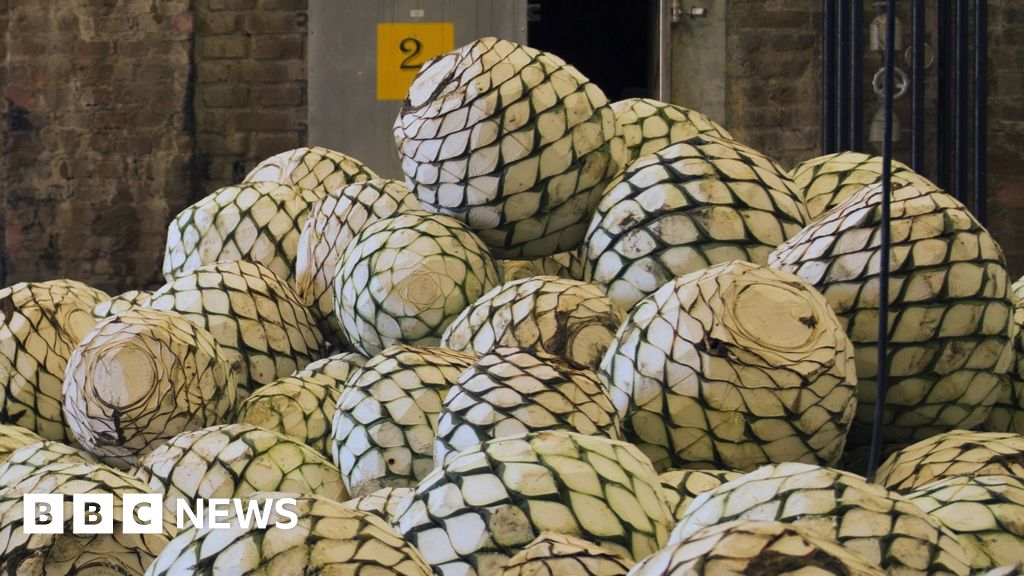
India has discovered a new industry using wild agave plants from the Deccan Plateau. Farmers who used these plants for fences are now earning extra income. This "blue gold" is becoming popular for making agave spirits. However, the process is difficult because workers must harvest the heart at the perfect time. The market is currently growing at thirty-one percent.
Masapalli Venkatesh owns a 10-acre farm in Kandukur, which is on the Deccan Plateau in India. He usually grows crops like tomatoes and peanuts. However, since 2010, his life has changed because of a desert plant. This plant is the agave cactus. In the past, farmers only used it as fencing to keep animals away. They considered it a valueless weed. Now, it has become "blue gold" because it provides extra income.
While Mexico has vast blue agave plantations for tequila, India relies on wild plants. Entrepreneurs collect agave that grows on marginal lands. Venkatesh coordinates villagers across 100 kilometres to ensure a steady supply. He has pointed out that distilleries pay a premium for high volumes.
The harvest requires great skill. Workers must extract the heart, which is known as the piña. It looks like a giant pineapple after workers chop off the leaves. If the plant blooms, the sugar reserve is depleted. Therefore, gatherers must identify the exact pre-blooming window. This is the only way to get the peak sugar capacity.
Once the harvest is complete, the plants must reach a pressure cooker within 24 hours. Any transport delay might cause the sugars to rot. Because suppliers are scattered across vast distances, this is a difficult task. Brands rely on local aggregators to scout and negotiate for individual patches.
The market for agave spirits in India is currently growing at a rate of 31 percent. Although whisky is still the favourite, consumers are exploring new spirits. Producers are experimenting with wild agave to shape an Indian identity. Experts have said that the industry is moving from a curiosity to something more credible. It has caught the tequila bug.
Take a position. Out loud, if you can.
Four ways to start. Pick one and try saying it before you scroll on.
Tip · Record yourself, use in a notebook, or practice with a language partner.
What has changed Venkatesh's life since 2010?
Present Perfect for Recent Change
We use the present perfect to describe a change that started in the past and has an effect now.
“Masapalli Venkatesh owns a 10-acre farm in Kandukur, which is on the Deccan Plateau in India.”
What to know · B1
Try saying this aloud
Scenario: Describing a new business opportunity or market trend.
- 01“It has caught the... bug”
- 02“It has become a vital source of...”
- 03“They are beginning to experiment with...”
Register tip · informal
🔑Key Phrases
The original agricultural use of the agave plant in India.
We used the thorns as fencing to keep animals away from the garden.
Emphasizes the financial incentive for collecting agave.
The manager pointed out that clients pay a premium for fast delivery.
Describes the geographic distribution of the wild plants.
The tiny islands are scattered across vast distances in the ocean.
An idiomatic way to say that the market has become obsessed with tequila.
My brother has caught the fitness bug and goes to the gym every day.
🎙️ Article Audio — Kokoro TTS
The Growth of India's Agave Industry
Adapted from BBC Technology · Read the original. LinguaPress rewrites the facts as original graded-reader text for language learners.



Advertisement